Think Wider — Leadership, Neurodiversity, Transformation

Neurodiversity Awareness Training

Neurodiversity Awareness Training for every employee.

Foundational neurodiversity awareness training that gives every employee the shared language a neuroinclusive workforce runs on — without slipping into performative content nobody remembers by Friday.

Wayne Kelly delivers neurodiversity awareness training for all-employee populations, ERG launches, onboarding cohorts and awareness weeks. This is the foundation layer; for manager behaviours see workplace neurodiversity training, and for senior leadership capability see inclusive leadership training.

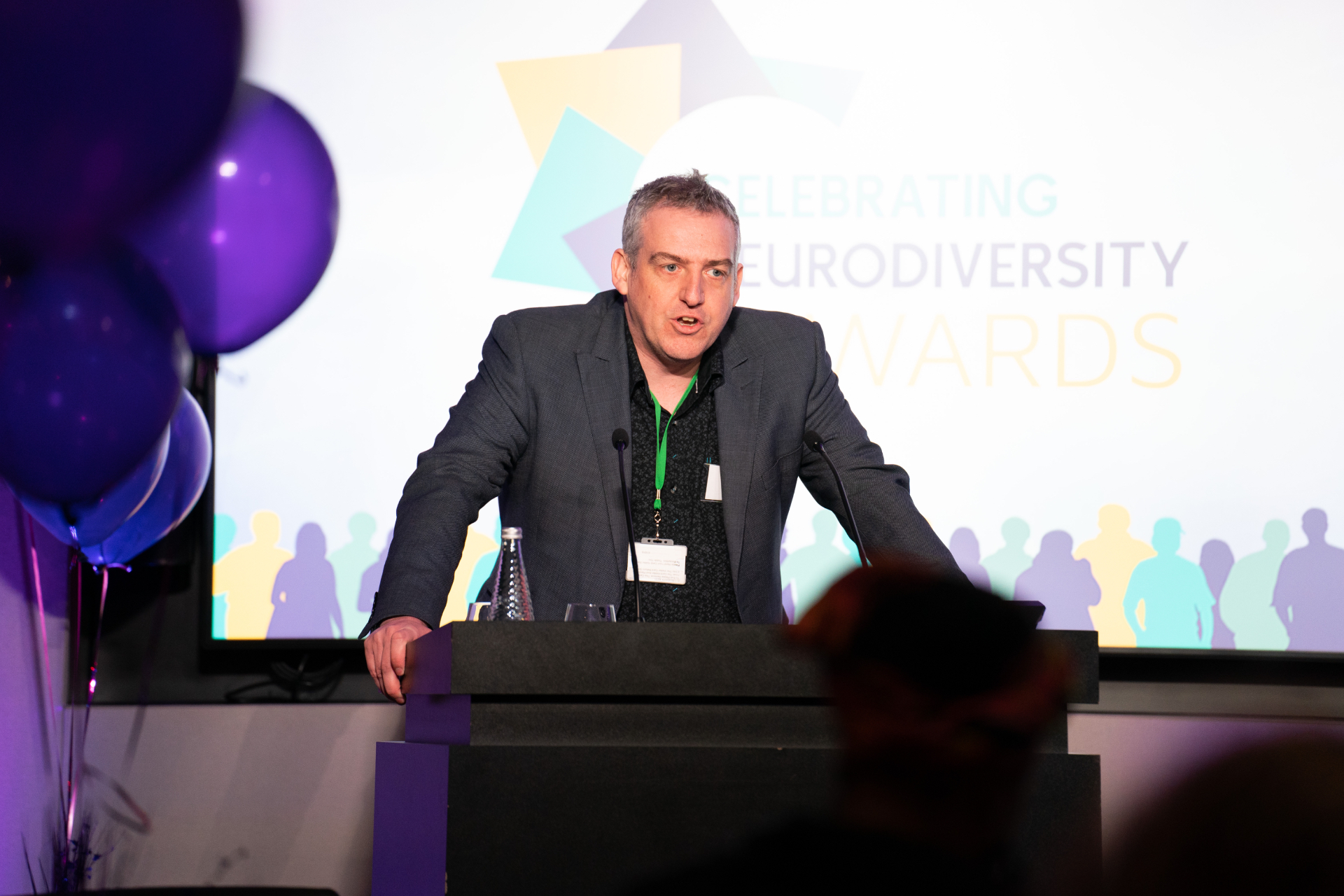
Wayne Kelly speaking at the Celebrating Neurodiversity Awards
Showreel — coming soon
Wayne introduces his neurodiversity awareness training work.

What awareness training should actually do

Awareness training has one job: give everyone in the organisation the same working vocabulary, so that later conversations about adjustments, workload and performance start from shared ground rather than from scratch.

Done badly it becomes decoration — a lanyard, a poster, a lunchtime session attended by the people who already care. Done well it measurably raises the number of people willing to say something about how they work best, and it makes the manager training that follows far easier to land.

Who it is for

All-employee populations, including frontline, operational and technical staff who are usually the hardest audience for EDI content. Also used for onboarding cohorts, ERG and network launches, and as the anchor session for Neurodiversity Celebration Week or Dyslexia Awareness Week.

What the session covers

A plain working definition of neurodiversity, and of ADHD, dyslexia, autism, dyspraxia and dyscalculia — what each generally means at work rather than clinically.

The strengths organisations routinely underuse, and the stressors that quietly cost them people.

What everyday inclusive behaviour looks like in a meeting, an email, a handover and a team chat.

What to do if a colleague tells you something, and what to do if the person struggling is you.

Where to go next inside the organisation — adjustments process, ERG, HR, occupational health.

Delivery formats

All-employee session of 45–60 minutes, in person or virtual, and comfortable at large scale. Onboarding module. Awareness-week keynote. ERG launch session. Recorded asynchronous version where shift patterns or geography make live attendance impractical.

Why it lands with sceptical audiences

The framing is commercial and practical rather than moral. Wayne talks about how work actually gets done — meetings, deadlines, handovers, performance reviews — and draws on lived experience of ADHD and dyslexia alongside 25 years leading teams and change programmes inside large organisations.

In practice that means engineers, traders, operations managers and site teams stay in the room, which is generally the test an awareness session either passes or fails in the first five minutes.

Where awareness training stops

Awareness training will not make your managers competent at adjustments, and it should not be sold internally as if it will. It creates the common language; manager capability is a separate piece of work. Organisations that run awareness alone usually see a short-lived rise in goodwill and no change in retention.

UK locations Wayne serves

Neurodiversity Awareness Training LondonNeurodiversity Awareness Training ManchesterNeurodiversity Awareness Training BirminghamNeurodiversity Awareness Training BristolNeurodiversity Awareness Training LeedsNeurodiversity Awareness Training EdinburghNeurodiversity Awareness Training CardiffNeurodiversity Awareness Training PlymouthNeurodiversity Awareness Training ExeterNeurodiversity Awareness Training NewcastleNeurodiversity Awareness Training GlasgowNeurodiversity Awareness Training LiverpoolNeurodiversity Awareness Training SheffieldNeurodiversity Awareness Training NottinghamNeurodiversity Awareness Training SouthamptonNeurodiversity Awareness Training BelfastNeurodiversity Awareness Training AberdeenNeurodiversity Awareness Training BrightonNeurodiversity Awareness Training OxfordNeurodiversity Awareness Training CambridgeNeurodiversity Awareness Training ReadingNeurodiversity Awareness Training Milton KeynesNeurodiversity Awareness Training BournemouthNeurodiversity Awareness Training BradfordNeurodiversity Awareness Training CoventryNeurodiversity Awareness Training CorkNeurodiversity Awareness Training DerbyNeurodiversity Awareness Training DublinNeurodiversity Awareness Training DundeeNeurodiversity Awareness Training GalwayNeurodiversity Awareness Training HullNeurodiversity Awareness Training LeicesterNeurodiversity Awareness Training LimerickNeurodiversity Awareness Training LutonNeurodiversity Awareness Training MiddlesbroughNeurodiversity Awareness Training NewportNeurodiversity Awareness Training NorwichNeurodiversity Awareness Training PortsmouthNeurodiversity Awareness Training Stoke-on-TrentNeurodiversity Awareness Training SwanseaNeurodiversity Awareness Training WolverhamptonNeurodiversity Awareness Training York

Neurodiversity Awareness Training — FAQ

Is this suitable for a Neurodiversity Celebration Week?

+

Yes — this format is regularly booked as the anchor session for internal celebration weeks and awareness campaigns, including Dyslexia Awareness Week and World Autism Acceptance Week.

Can we record it?

+

Yes, subject to a licensing arrangement. Many organisations record for onboarding and asynchronous reach across shift-based or distributed workforces.

How many people can attend?

+

There is no practical ceiling for the awareness format — it runs equally well for 50 people in a room and several thousand on a virtual all-hands.

Is awareness training enough on its own?

+

No, and it is important to be straight about that. It creates shared language. Changing what managers do requires manager-specific training, and changing the operating model requires the leadership layer.

Neurodiversity Awareness Training — authoritative references

Recognised UK and international standards, regulators and professional bodies referenced across this practice.

Explore related strategic hubs

Cross-referenced pillars across the practice — designed to help senior teams navigate the full scope of Wayne Kelly’s enterprise neurodiversity, digital accessibility and AI work.

What to include when you get in touch

It speeds things up considerably if your first message covers: the audience and roughly how many people; your organisation and sector; what you are trying to change; where you are based and whether you want in-person or virtual delivery; and your proposed timing. Wayne replies personally.

Plan awareness training for your workforce

Keynotes, leadership workshops and strategic advisory for boards, HR leaders, transformation directors and conference organisers across the UK.