
Think Wider — Leadership, Neurodiversity, Transformation

Workplace Neurodiversity Training

Workplace Neurodiversity Training for line managers and teams.

Neurodiversity training for managers that changes what they actually do on Monday — 1:1s, performance conversations, reasonable adjustments and how work is designed and allocated.

Wayne Kelly delivers workplace neurodiversity training for line-manager populations and functional teams. This page is for team- and manager-level enablement; for org-wide programmes see corporate neurodiversity training, and for the senior leadership capability layer see inclusive leadership training.

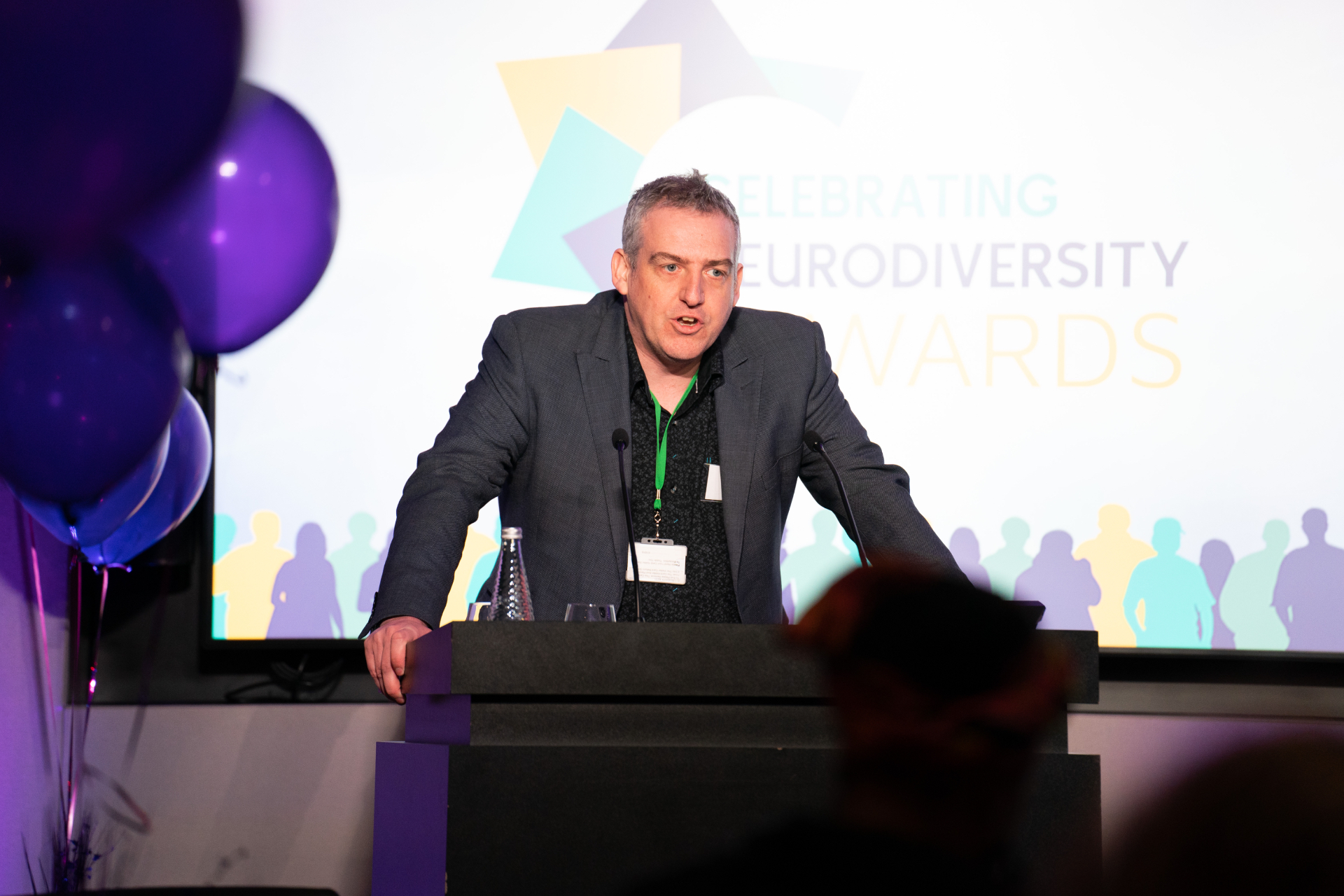
Wayne Kelly speaking at the Celebrating Neurodiversity Awards
Showreel — coming soon
Wayne introduces his workplace neurodiversity training work.

Why manager training is different from awareness training

Awareness training answers "what is neurodiversity?". Manager training answers "what do I do when my direct report tells me they cannot concentrate in the office, or when a strong performer starts missing deadlines?"

That second question is where retention is decided. Line managers are the single largest variable in whether neurodivergent employees stay, progress or quietly disengage — and almost none of them have been taught how to handle it.

Who it is for

Line managers with direct reports, team leaders, functional heads, and HR business partners who support them. Cohorts work best at 12–20 people so the scenario work stays genuinely interactive. Mixed-seniority cohorts are fine; mixed-function cohorts often work better than single-team ones because managers learn from each other's cases.

Modules covered

Neurodivergent strengths and stressors, and how they present in real work rather than in textbooks.

1:1s and performance conversations — separating barriers from capability, and running the conversation that most managers avoid.

Reasonable adjustments in practice: what to offer, how to agree them, how to document them, and how to review them.

Psychological safety and disclosure — what to say in the first thirty seconds after someone tells you, which matters more than anything that follows.

Task and workload design: deliverables, deadlines, written confirmation and definition of done.

Supporting neurodivergent employees through organisational change.

Escalation and HR partnership — when to handle it yourself and when not to.

How it is delivered

Half-day and full-day manager cohorts, 90-minute deep-dives on a single topic, virtual manager series run across several weeks, in-person team workshops, and train-the-trainer for internal L&D teams.

The spaced format — two or three shorter sessions with practice in between — consistently produces better behaviour change than a single intensive day, because managers bring real cases back into the room.

What makes the sessions work

The bulk of the time is spent on scenarios rather than slides. Managers rehearse the awkward conversation, get it wrong in a safe room, and do it again. Wayne brings both sides of the table: lived experience of ADHD and dyslexia, and 25 years of managing teams and leading change inside large organisations.

That second half matters more than people expect. Managers are quick to dismiss training delivered by someone who has never carried a delivery target, and quite right too.

Measuring whether it worked

Measure manager confidence on specific named tasks before and after, not general satisfaction. Then track adjustment request volume and turnaround, retention by disclosure status, and escalation volume at six and twelve months. Set the baseline before the first session — very few organisations do, and it is why most cannot tell whether their training worked.

UK locations Wayne serves

Workplace Neurodiversity Training LondonWorkplace Neurodiversity Training ManchesterWorkplace Neurodiversity Training BirminghamWorkplace Neurodiversity Training BristolWorkplace Neurodiversity Training LeedsWorkplace Neurodiversity Training EdinburghWorkplace Neurodiversity Training CardiffWorkplace Neurodiversity Training PlymouthWorkplace Neurodiversity Training ExeterWorkplace Neurodiversity Training NewcastleWorkplace Neurodiversity Training GlasgowWorkplace Neurodiversity Training LiverpoolWorkplace Neurodiversity Training SheffieldWorkplace Neurodiversity Training NottinghamWorkplace Neurodiversity Training SouthamptonWorkplace Neurodiversity Training BelfastWorkplace Neurodiversity Training AberdeenWorkplace Neurodiversity Training BrightonWorkplace Neurodiversity Training OxfordWorkplace Neurodiversity Training CambridgeWorkplace Neurodiversity Training ReadingWorkplace Neurodiversity Training Milton KeynesWorkplace Neurodiversity Training BournemouthWorkplace Neurodiversity Training BradfordWorkplace Neurodiversity Training CoventryWorkplace Neurodiversity Training CorkWorkplace Neurodiversity Training DerbyWorkplace Neurodiversity Training DublinWorkplace Neurodiversity Training DundeeWorkplace Neurodiversity Training GalwayWorkplace Neurodiversity Training HullWorkplace Neurodiversity Training LeicesterWorkplace Neurodiversity Training LimerickWorkplace Neurodiversity Training LutonWorkplace Neurodiversity Training MiddlesbroughWorkplace Neurodiversity Training NewportWorkplace Neurodiversity Training NorwichWorkplace Neurodiversity Training PortsmouthWorkplace Neurodiversity Training Stoke-on-TrentWorkplace Neurodiversity Training SwanseaWorkplace Neurodiversity Training WolverhamptonWorkplace Neurodiversity Training York

Workplace Neurodiversity Training — FAQ

Is this for HR or for line managers?

+

Primarily line managers, with parallel HR partner sessions so that escalation and adjustment pathways stack up on both sides.

Can this run virtually?

+

Yes. Wayne runs virtual manager cohorts for distributed organisations, including multi-week cohort programmes. Virtual cohorts are kept smaller so the scenario work stays interactive.

How many managers can attend one session?

+

12–20 works best. Larger groups are possible for briefing-style sessions, but the practice element — which is what changes behaviour — needs a smaller room.

Should attendance be mandatory?

+

For the manager population, yes. Voluntary attendance reliably selects for the managers who need it least.

What if our managers are resistant?

+

Resistance is usually about time and fear of saying the wrong thing rather than disagreement with the principle. Sessions are built to address both directly, and framed around making management easier rather than adding another obligation.

Workplace Neurodiversity Training — authoritative references

Recognised UK and international standards, regulators and professional bodies referenced across this practice.

Explore related strategic hubs

Cross-referenced pillars across the practice — designed to help senior teams navigate the full scope of Wayne Kelly’s enterprise neurodiversity, digital accessibility and AI work.

What to include when you get in touch

It speeds things up considerably if your first message covers: the audience and roughly how many people; your organisation and sector; what you are trying to change; where you are based and whether you want in-person or virtual delivery; and your proposed timing. Wayne replies personally.

Build manager capability across your organisation

Keynotes, leadership workshops and strategic advisory for boards, HR leaders, transformation directors and conference organisers across the UK.